Best Tape for High Heat: Kapton, Foil, Silicone Options
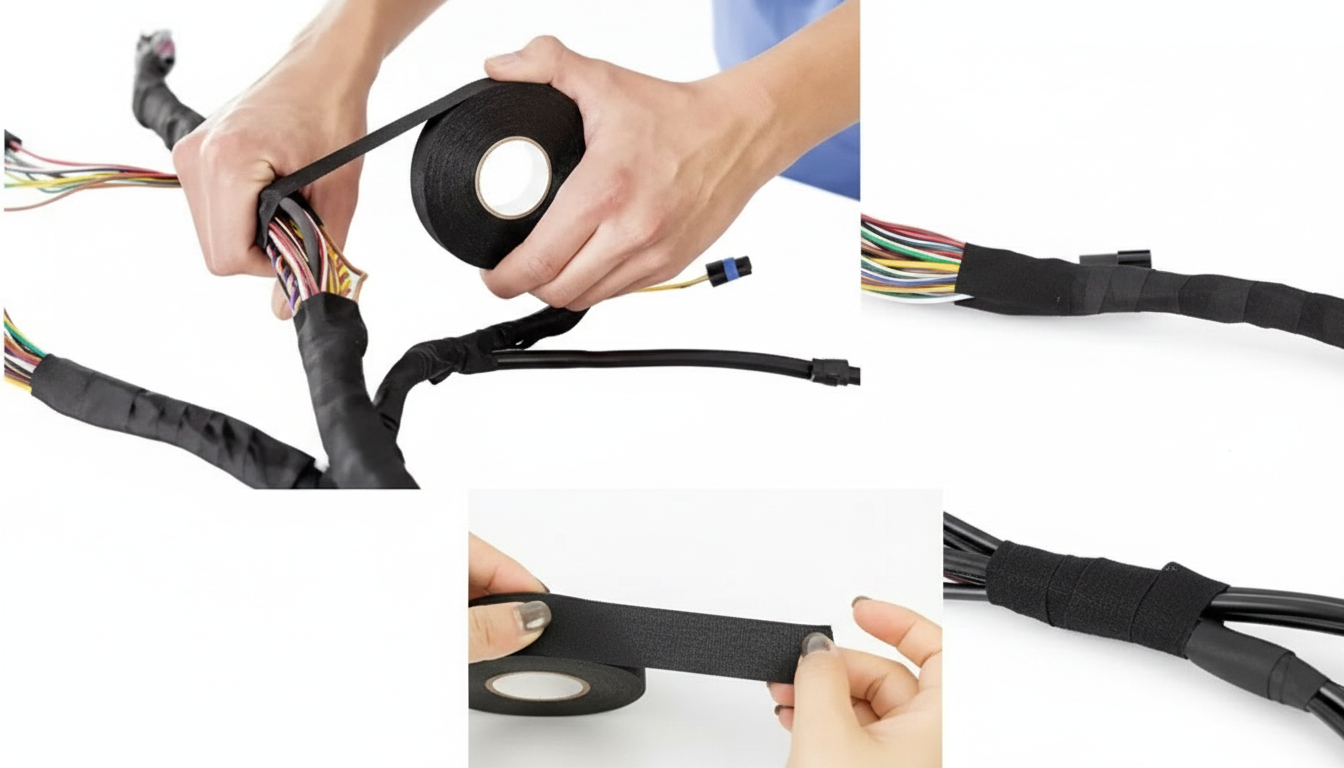
What kind of tape doesn’t melt in heat?
Tapes that hold up best in high temperatures are made with heat-stable backings and adhesives—most often silicone adhesive, acrylic adhesive rated for high heat, or specialized backings like polyimide (Kapton). For everyday heat resistance, aluminum foil tape and high-temp silicone tape are common winners. For extreme heat and electrical/industrial needs, polyimide (Kapton) tape with silicone adhesive is a go-to option because it resists softening, slipping, and adhesive breakdown far better than standard household tapes.
Best heat-resistant tapes (and when to use each)
Polyimide (Kapton) tape
Often used in electronics and 3D printing setups, Kapton tape handles very high temperatures without deforming. It’s ideal when you need a thin tape that won’t ooze adhesive or lose grip under sustained heat.
Aluminum foil tape
Foil tape reflects heat and tolerates hot environments well, making it popular for HVAC ducting, insulation seams, and metal-to-metal applications. Choose true foil tape (not “duct tape”) and confirm it uses a high-temperature acrylic adhesive if the surface gets very hot.
Silicone tape (self-fusing)
Self-fusing silicone tape contains no sticky adhesive; it bonds to itself when stretched and wrapped. That makes it excellent around hot hoses, wiring bundles, and irregular shapes where standard adhesives might soften or fail.
High-temperature fiberglass tape
For demanding heat exposure, fiberglass-backed tapes (often with silicone adhesive) can handle higher temps and abrasion than many plastic-backed tapes. They’re frequently used in automotive, machinery, and insulation projects.
How to choose the right tape for heat
Start with the real surface temperature (not just the air temperature), then check the tape’s continuous temperature rating. Consider the material you’re sticking to (metal, plastic, painted surfaces), whether the area is exposed to oils or moisture, and whether you need removability or a permanent bond. For more detailed comparisons and use cases, see the full guide here: What kind of tape doesn’t melt in heat?
FAQ
Can hot glue be used instead of heat-resistant tape?
Hot glue can soften and release when temperatures rise, especially in direct sun or near engines and appliances. For reliable performance, use a tape with a published high-temperature rating matched to the surface temperature.









Leave a comment