5 Microfiber Wax Applicator Pads: Even Coats, Less Haze
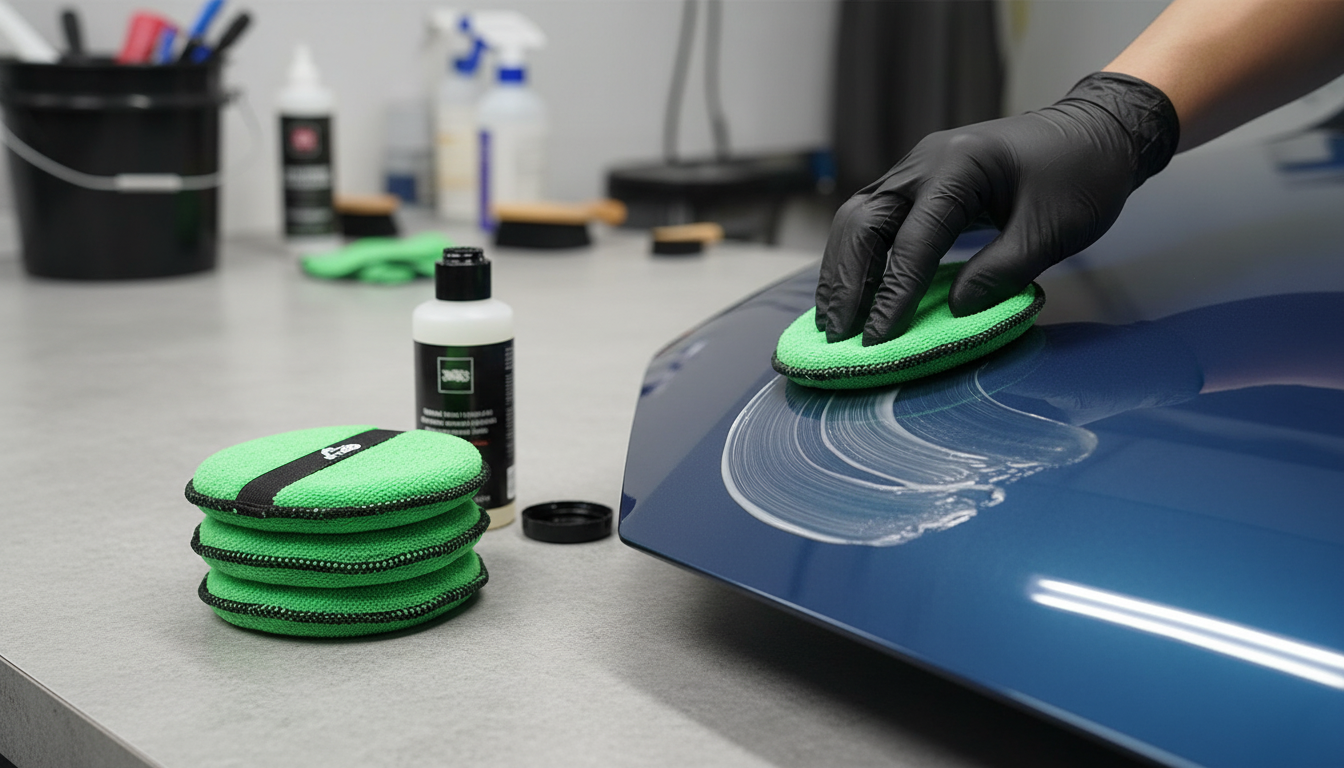
What microfiber applicator pads are used for
A microfiber applicator pad is a simple tool that can make wax and sealant application look more professional. The microfiber face helps distribute product in a thin, even film—important for consistent gloss and easy wipe-off—while the pad shape gives you control in tight areas.
- Applying paste wax, liquid wax, spray wax, paint sealants, and many ceramic-infused spray protectants
- Spreading product thinly and uniformly to reduce streaks and high spots
- Working around badges, trim edges, door handles, and tight body lines where a towel can bunch up
- Quick maintenance after washing: topping up protection panel-by-panel
- Interior and trim-safe tasks when paired with the right product (always spot-test)
For general wash-and-protect routines, following reputable wash guidance helps keep the paint free of grit before you lay down protection. Resources like the International Carwash Association and product technique tips from 3M Auto Care can help you refine prep and wipe-off habits that prevent haze.
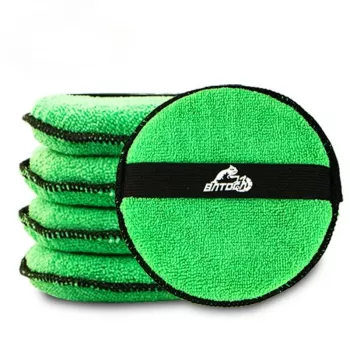
Why a 5-piece set is convenient
One applicator can finish a vehicle, but rotation is what keeps the finish looking uniform. A 5-pack makes it easier to swap pads before they get overloaded, which is when many waxes and sealants start to smear or “grab” during application.
- Rotating pads during a detail helps keep application consistent and reduces buildup on the pad face
- One pad can be reserved for paint, another for wheels (only if the wheel product is paint-safe), and another for trim to avoid cross-contamination
- A spare pad is useful when one becomes saturated with wax or sealant and starts to drag
- Helps keep separate pads for different product types (wax vs sealant) to avoid compatibility issues
- Easy to dedicate a pad to quick touch-ups in a small wash kit
How to use applicator pads for a clean, streak-free result
Clean results come from clean paint, small amounts of product, and a predictable panel-by-panel rhythm. Most streaking issues aren’t “bad wax”—they’re too much product, uneven spread, or letting the coating dry longer than the label suggests.
- Wash and fully dry the vehicle first; applying protection over dust or water spotting increases the risk of hazing
- Prime the pad with a small amount of product; use less than expected—thin coats cure more evenly and wipe off easier
- Work one panel at a time in overlapping passes; use light pressure and let the product do the work
- For large panels (hood, roof), split into sections so the product doesn’t over-dry before removal
- Buff off with a clean microfiber towel as directed by the product label; flip towels frequently to a fresh side
- Avoid applying wax or sealant in direct sun on hot panels unless the product specifically allows it
A practical habit is to feel the pad face before each panel. If it feels tacky, lumpy, or starts to “skip,” swap to a fresh pad and save yourself extra buffing later.
Tips for Tesla, Ford, and BMW paint and trim
Different vehicles don’t require different waxes as much as they require different discipline. The goal is always the same: keep the surface and the applicator perfectly clean, and keep layers thin.
- Tesla: keep pressure light and use very clean tools; soft or sensitive finishes show micro-marring more easily when the pad or surface has grit
- Ford: trucks and daily drivers often collect more road film—ensure the paint is truly clean before applying protection to avoid dragging contamination
- BMW: intricate body lines and trim transitions benefit from a pad’s control; avoid loading product into crevices where it can dry white
- Matte or satin finishes: only use products labeled safe for matte; many waxes and sealants can add unwanted gloss or uneven sheen
- Gloss black trim: apply minimal product and buff carefully to reduce streaking; keep a dedicated pad to avoid residue transfer from paint
Pad care: cleaning, drying, and storage
Applicator pads last longer when residue doesn’t get a chance to harden in the fibers. The sooner you rinse and wash, the softer they stay—and the less likely they are to become “gritty” over time.
Quick comparison: applicator pad vs other application methods
| Method | Best for | Pros | Watch-outs |
|---|---|---|---|
| Microfiber applicator pad | Wax, sealants, spray protectants | Even spread, good control, reusable | Must stay clean; saturated pads can streak |
| Foam applicator | Waxes and some sealants | Simple, inexpensive, easy to grip | Can drag when dry; less forgiving if contaminated |
| Microfiber towel by hand | Quick spray wax/topper | Fast, minimal tools | Can apply unevenly if towel bunches or loads up |
| Machine applicator (DA polisher with finishing pad) | Large vehicles, experienced users | Very fast coverage, uniform pressure | Higher risk of sling/high spots if overloaded |
Common application mistakes to avoid
Product option in stock
- 360° 3-Channel Dash Cam for Toyota, Ford, Honda ($157.01)
- 4pcs 56mm Car Wheel Center Cover Stickers for Nissan Tiida, Juke, X-Trail ($5.01)
FAQ
Can microfiber applicator pads scratch paint?
They’re designed to be paint-safe, but scratches can happen if the pad picks up grit, gets dropped, or is used on paint that isn’t truly clean. Inspect the pad face often and retire any pad that feels gritty or stiff.
How many pads are needed to wax a car?
Many vehicles can be done with 1–2 pads, but swapping to a fresh pad helps prevent streaking once the first pad becomes saturated. A 5-piece set makes rotation easy and supports keeping separate pads for paint, trim, and backup use.
How should applicator pads be washed after waxing?
Rinse promptly with warm water, then wash with a mild microfiber-safe detergent without fabric softener. Air-dry completely and store in a clean, sealed container or bag to keep dust off the fibers.








Leave a comment