Seat Belt Clip Compatibility: Are “Universal” Clips Safe?
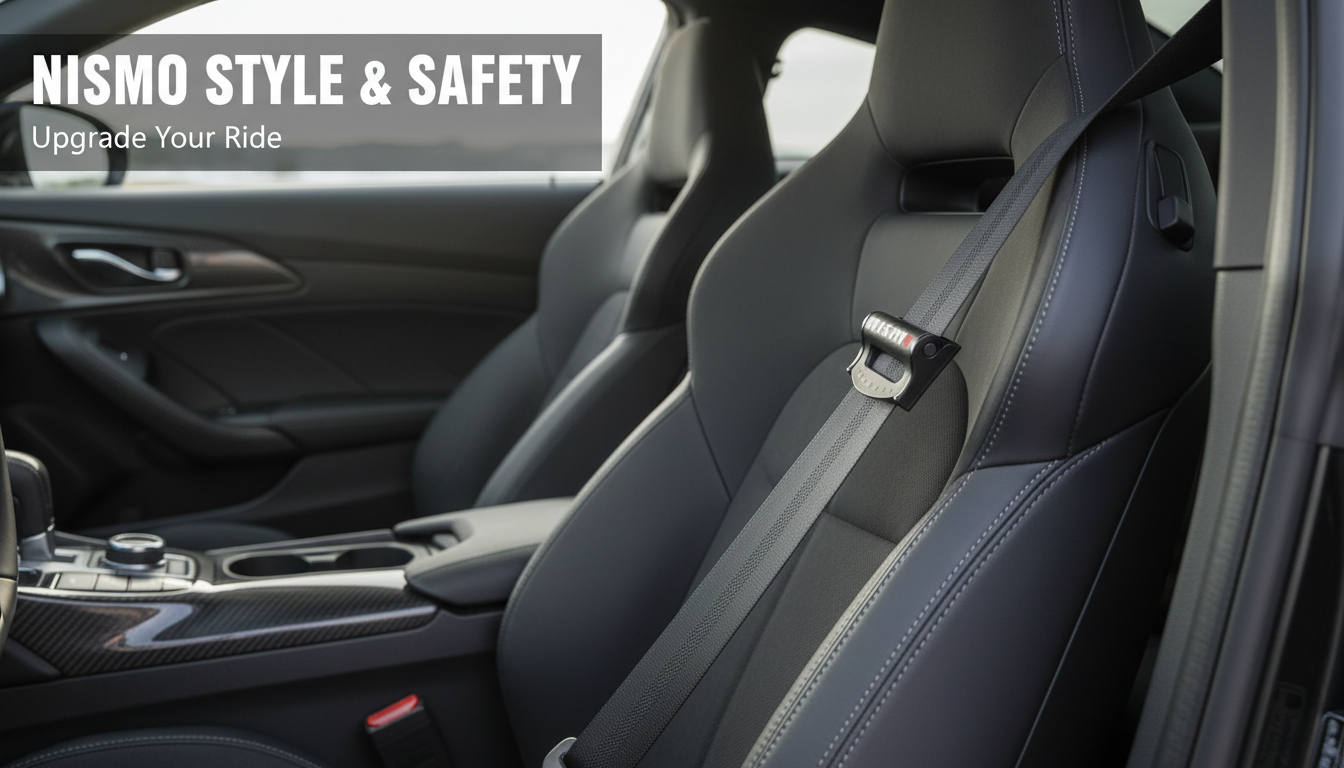
Are seat belt clips universal?
Seat belt clips aren’t truly universal. While many “universal” clips are designed to work across a wide range of vehicles, real-world compatibility depends on the shape and width of the seat belt tongue (the metal piece), the buckle receptacle, and even the angle at which the belt locks. A clip that fits one car perfectly can feel loose, fail to latch, or interfere with proper locking in another.
What makes a seat belt clip compatible (or not)?
Most seat belt clips and extenders rely on standardized-looking parts, but small differences matter. Buckle sizes, latch depths, and release-button clearances vary by manufacturer and model year. Some vehicles also use unique belt designs or integrated buckle systems that don’t play well with add-on clips. If a clip doesn’t click in firmly, releases unexpectedly, or prevents the belt from retracting and locking, it’s not compatible—even if it was marketed as “universal.”
Is “universal” the same as safe?
No. “Universal” is often a marketing term, not a safety guarantee. A seat belt clip that changes how the belt fits or how the latch engages can reduce crash protection. Safety also depends on whether the product is tested for your use case (for example, positioning for comfort vs. extending reach) and whether it’s allowed under local regulations and manufacturer guidance.
How to choose the right seat belt clip
Start by identifying what problem you’re solving—comfort, belt positioning, or reach—and then confirm fit with your vehicle’s buckle and tongue style. Look for clear sizing information, a secure latch with no wobble, and a design that doesn’t obstruct the release button or twist the belt. For a deeper breakdown of fit, common pitfalls, and what to check before buying, visit the full guide on seat belt clip compatibility.
FAQ
Do seat belt extenders need to match the car brand?
Often, yes. Even within the same brand, buckle designs can vary by model and year, so extenders and clips should match the specific buckle type to latch securely and function correctly.






Leave a comment